What is Postpartum Counselling?
Postpartum Counselling is professional mental health support provided to mothers and families after childbirth to address emotional challenges, adjustment difficulties, and psychological concerns such as postpartum depression, anxiety, and relationship changes during the early parenting period.
TL;DR: Professional mental health support for mothers and families after childbirth to manage emotional and psychological challenges.
Key Takeaways About Postpartum Counselling
- Addresses postpartum depression, anxiety, and emotional adjustment after birth.
- Helps mothers and families adapt to major life changes and new parenting roles.
- Provides coping strategies and emotional support during vulnerable early parenting months.
- Can prevent serious mental health complications and improve family relationships.
- Available through counsellors, psychologists, and specialized postpartum mental health services.
Understanding Postpartum Counselling: Definition and Context

Postpartum Counselling is professional mental health support for mothers, partners, and families. It's provided after childbirth, usually within the first year. This specialized service helps with emotional, psychological, and relational changes after birth.
The transition to parenthood involves big physical recovery. Hormonal shifts happen. Sleep deprivation occurs. Identity changes can trigger mental health challenges.
During the postpartum period, many new parents experience mood changes. Some have mild baby blues. Others face postpartum depression or postpartum anxiety. This work provides evidence-based therapeutic interventions (professional treatments based on research). It helps individuals process these experiences. It develops healthy coping mechanisms (ways to handle stress). It builds resilience (the ability to bounce back).
Our counsellors work with clients to normalize the challenges. They identify when professional support is needed. This prevents complications.
This form of support may include individual therapy. Couples counselling addresses relationship strain. Family sessions support the entire household. Psychoeducation teaches about postpartum mental health.
Our team uses various therapeutic approaches. We use Cognitive Behaviour Therapy (a treatment focusing on thoughts and behaviors). We use Acceptance and Commitment Therapy. We use mindfulness-based techniques (focusing on the present moment). These are customized to each family's unique needs.
Why Postpartum Counselling Matters for Our Clients
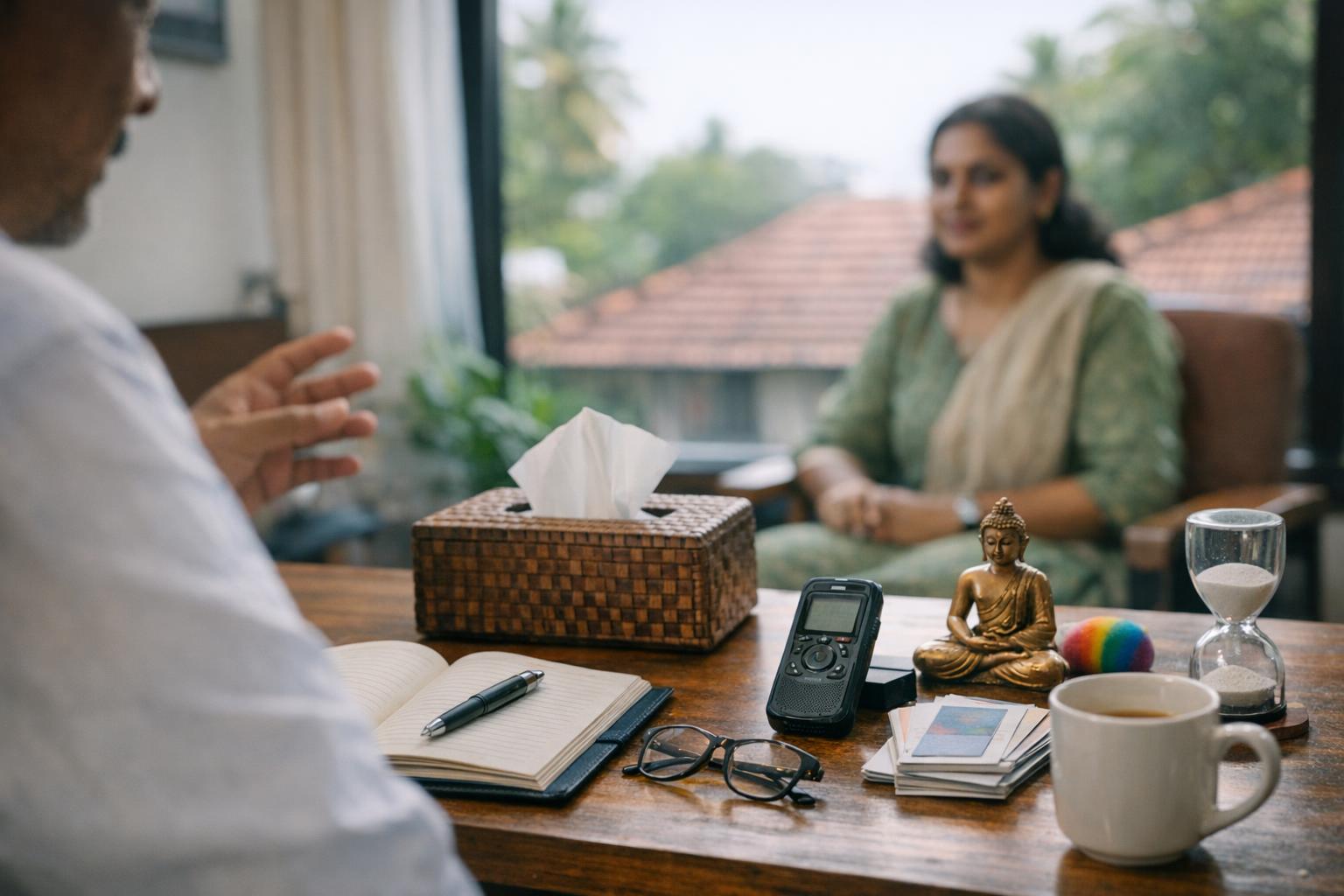
This work is essential for new families. The postpartum period is a critical window for mental health intervention (a time when help works best).
Research shows that untreated postpartum depression causes lasting effects. It impacts maternal wellbeing (the mother's health). It impacts infant development. It impacts family relationships. Early support can prevent symptoms from getting worse.
Early support helps new parents feel less isolated. The transition to parenthood can be overwhelming.
For many families, these services provide validation. Their struggles are normal. Their struggles are treatable.
New parents often experience guilt, shame, or confusion. Their emotional responses don't match expectations. A skilled counsellor creates a safe space. Parents can express their true feelings. They receive practical strategies for managing stress.
The counsellor helps improve sleep. It helps rebuild intimacy with partners. It helps bonding with their infant. This support strengthens family systems. It promotes long-term psychological health.
How Postpartum Counselling Fits Into Counselling Services in Kochi
Locally, this work is an important component. It's part of full mental health services. It's part of family wellness services.
More families recognize the importance of perinatal mental health (health during pregnancy and after birth). We are expanding access to specialized postpartum support. This includes in-person sessions. This includes online options. Both accommodate the practical constraints of new parents.
Our counsellors offering these services work collaboratively. They partner with obstetricians (doctors who deliver babies). They partner with pediatricians (doctors for children). They partner with other healthcare providers. This ensures coordinated care.
Many practices integrate this work with related services. We offer parental training programs. We offer family sessions. We offer couples therapy. These address the varied needs of postpartum families.
This comprehensive approach recognizes something important. Postpartum mental health impacts the mother. It impacts the entire family system. Integrated, culturally sensitive support is essential. This matters for the area's diverse communities.
Postpartum Counselling in Practice: A Real-World Example
A mother in Kochi experiences persistent sadness, difficulty sleeping even when her baby sleeps, and intrusive worries about her infant's safety two months after delivery. She contacts a counsellor at a local counselling practice who specializes in postpartum counselling. Through weekly sessions using Cognitive Behaviour Therapy, the counsellor helps her identify thought patterns contributing to anxiety, develop relaxation techniques, and address the identity shifts of becoming a parent. After six weeks of postpartum counselling, the mother reports improved mood, better sleep quality, and increased confidence in her parenting abilities.
Sources & Further Reading on Postpartum Counselling
Counselling Services Related to Postpartum Counselling
Frequently Asked Questions About Postpartum Counselling
When should I seek postpartum counselling after having a baby?
You should consider postpartum counselling if you experience persistent sadness, anxiety, difficulty bonding with your baby, sleep problems beyond normal newborn disruption, or intrusive negative thoughts within the first year after birth. Early intervention is beneficial even for mild symptoms. Many counsellors recommend starting within the first three months postpartum, though support is helpful at any stage.
What is the difference between baby blues and postpartum depression that requires counselling?
Baby blues are temporary mood changes affecting up to 80 percent of new mothers, typically lasting two weeks and resolving without treatment. Postpartum depression involves persistent symptoms lasting longer than two weeks, including depressed mood, loss of interest in activities, significant sleep disturbance, and difficulty functioning. Postpartum counselling is recommended when symptoms persist or interfere with daily life and parenting.
Can postpartum counselling help with relationship problems after having a baby?
Yes, postpartum counselling often includes couples therapy to address relationship strain common after childbirth. A counsellor can help partners communicate about changing roles, manage stress together, rebuild intimacy, and navigate the transition to parenthood as a team. This support strengthens relationships and creates a healthier environment for the entire family during the postpartum adjustment period.
Have Questions About Postpartum Counselling?
Contact our counselling experts in Kochi for professional guidance.